
5 Critical Factors to Consider When Selecting a Heavy-Duty Belt Conveyor Tripper
Release time: 2026-02-12
Table of Contents
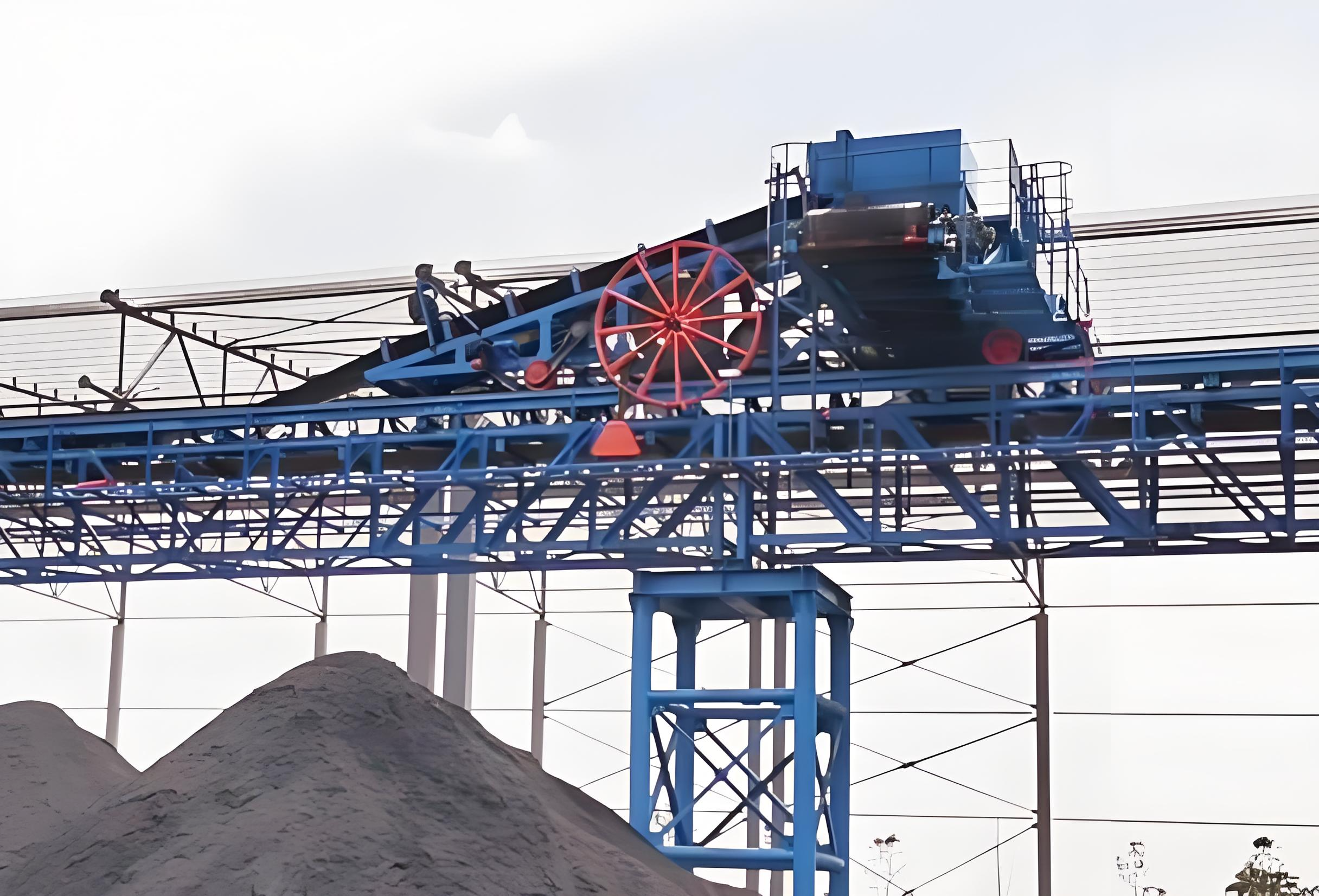
When moving bulk materials over long distances, efficiency and control matter just as much as speed. That’s where a belt conveyor tripper comes in. Designed to discharge material at multiple points along a conveyor line, trippers are widely used in mining, ports, power plants, and bulk storage systems.
But choosing the right heavy-duty conveyor tripper isn’t just about matching it to a belt width. A poorly selected tripper can lead to uneven material distribution, excessive wear, or frequent downtime. To help you make a smarter decision, here are five critical factors you should consider before selecting a heavy-duty belt conveyor tripper.
Material Type and Handling Requirements
Start with the basics: what material are you moving?
Different materials behave very differently on a conveyor. Fine powders, coal, grain, ore, or aggregate all have unique flow characteristics. Some materials are abrasive, some are sticky, and others generate a lot of dust.
When selecting a belt conveyor tripper, consider:
- Material size and weight
- Abrasiveness and moisture content
- Required discharge accuracy
A tripper designed for light bulk materials may not last long in heavy mining applications. Choosing a tripper that matches your material conditions will reduce maintenance and improve long-term reliability.
Conveyor Length and Discharge Flexibility
One of the main reasons to use a belt conveyor tripper is flexibility. If your system requires material to be discharged at multiple locations, the tripper must travel smoothly and consistently along the conveyor.
Ask yourself:
- How long is the conveyor line?
- How many discharge points are required?
- Does the tripper need to stop precisely at fixed positions?
For longer conveyors, stability and travel accuracy become more important. A well-designed tripper system ensures even distribution without overloading downstream equipment.
Structural Strength and Durability
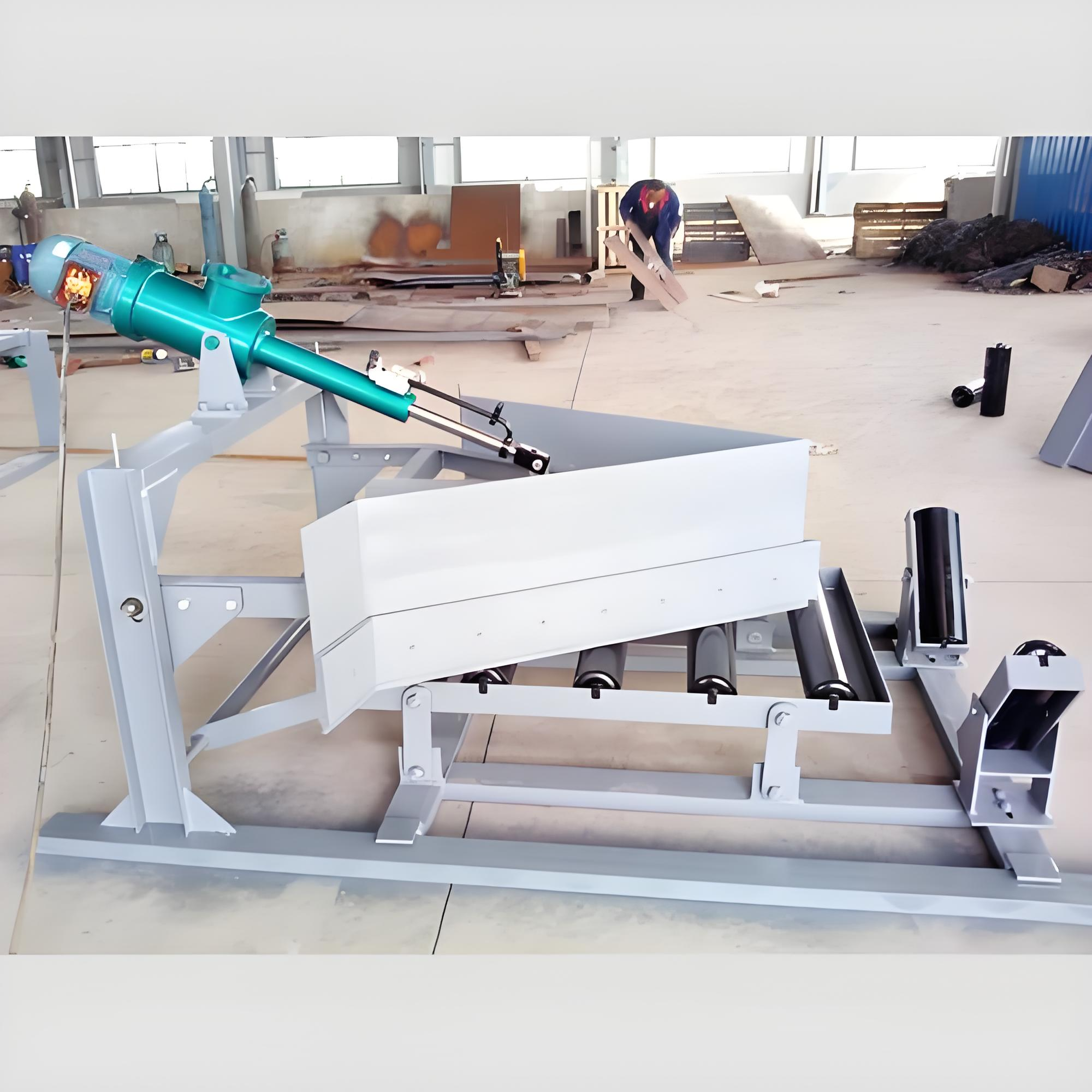
Heavy-duty applications demand strong structures. A conveyor tripper operates under constant load, vibration, and movement. Weak frames or poor welding can lead to misalignment or premature failure.
Key things to look for include:
- Rigid steel structure
- Quality rollers and bearings
- Smooth and stable travel mechanism
A robust belt conveyor tripper may cost more upfront, but it typically pays off by reducing downtime and repair costs over time.
Ease of Maintenance and Operation
In real-world operations, simple is often better.
A good conveyor tripper should be easy to inspect, adjust, and maintain. Complicated designs with too many custom parts can slow down repairs and increase spare parts costs.
Look for features such as:
- Easy access to rollers and wheels
- Standardized components
- Clear and simple control systems
The easier it is for your team to operate and maintain the tripper, the more reliable your entire conveyor system will be.
Manufacturer Experience and Support
Finally, don’t overlook who you’re buying from.
A belt conveyor tripper is not a standalone product—it’s part of a complete conveying system. An experienced manufacturer understands how the tripper interacts with belts, drives, and structures.
Yili Machinery, for example, has been dedicated to belt conveyor equipment for over 20 years and is a trusted manufacturer and partner in the industry. Working with an experienced supplier means:
- Better design matching for your application
- More reliable quality control
- Long-term technical support when you need it
This kind of support can make a big difference, especially for heavy-duty and continuous-operation projects.
Conclusion
Selecting the right belt conveyor tripper isn’t about choosing the most complex or expensive option. It’s about understanding your material, your system layout, and your long-term operating needs.
By focusing on material characteristics, discharge flexibility, structural strength, maintenance simplicity, and supplier experience, you can choose a conveyor tripper that delivers consistent performance and real-world reliability.
If you’re planning a bulk handling project or upgrading an existing system, working with an experienced belt conveyor manufacturer like Yili Machinery can help ensure your conveyor tripper is built to perform—and built to last.

